
Our take on the latest Economic and fiscal update (Wed 16 Dec 2020)


A softer blow to the economy now expected
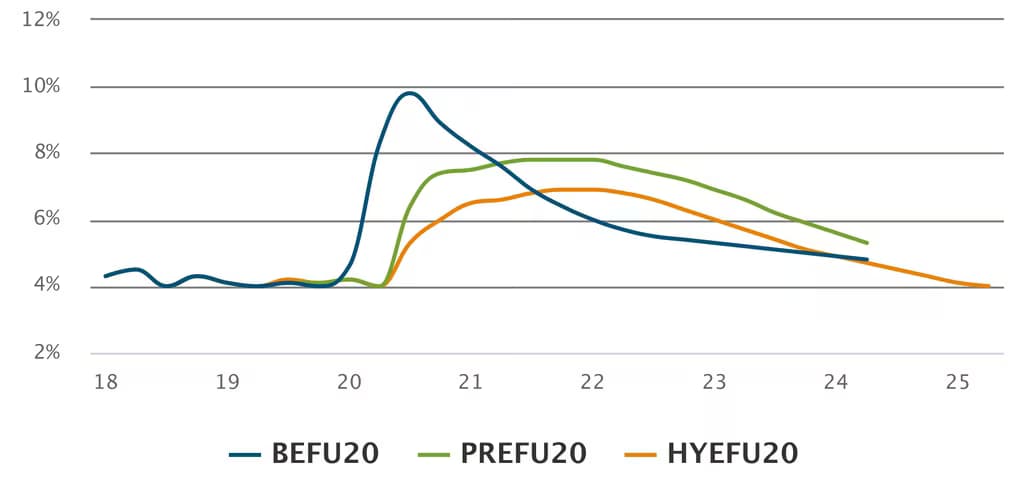
Unemployment now expected to peak at 6.9%
Net debt peaks lower, at 53% of GDP in 2023
The key numbers...
- The latest forecasts from the Treasury show a more upbeat pathway for the New Zealand economy, but significant debt-funded spending continues to be required to prop up the economy.
- The Treasury expects the New Zealand economy to have returned to pre-pandemic levels by the start of 2022, which is around the same time that the Treasury expects New Zealand’s borders could be reopened.
- The unemployment rate is now set to peak at a lower level of 6.9% at the end of 2021, before heading below 5% at the start of 2024 – a year earlier than expected. The unemployment rate had previously been expected to peak at 7.8%.
- The Treasury and the Ministry of Social Development expects around 242,000 Kiwis to be on the Jobseeker Support benefit by mid-2022 – which is around 40,000 more than are currently receiving support.
- The government’s accounts are still severely battered, with net debt (as a share of GDP) rising to 53% in 2023. However, this peak in debt is lower and earlier than previously expected, with higher revenue (better spending and employment outcomes) and lower expenses (less wage subsidy spending and benefit payments) reducing the debt pile by around $7b in 2023.
Unemployment peaks lower
Unemployment rate forecast, % of labour force, s.a.
...and our reaction
- The Half Year Economic and Fiscal Update (HYEFU) update provides an upbeat assessment of the economy and its expected direction over the next five years, with Treasury revising up their forecasts off the back of improved economic data over recent months.
- Given the direction of recent data, we agree with a more upbeat expectation for the economy, but we remain uncertain that these current positive conditions will remain as we head into the future.
- Spending activity over recent weeks have shown consistent year-on-year declines. We remain worried about business activity over the summer period, as the hole in spending from international tourists becomes apparent.
- Housing appears set to remain strong over the forecast period. Treasury explicitly noted that “New Zealand has had a long-standing housing shortage”, and forecast that house prices will continue to rise, and by 2025 will be 32% higher than in June 2020 – averaging nearly 6%pa over the forecast period.
- The better economic track gives the Finance Minister more options when it comes to spending decisions. Given that the recent release of ministerial briefings noted considerable requests for funding, questions remain over whether this fiscal headroom will be used to keep debt lower or to meet increased public service costs.
Latest updates
Premium

Economic and fiscal update
Budget 2026: Fiscal position set to improve
Thu 28 May 2026
 $3b Surplus a year earlier in 2030$10.8b Higher revenue over 2026-30, relative to HYEFU
 $100m pa Funding for councils to invest in infrastructure
Premium
Economic and fiscal update
OBEGALx return to surplus delayed yet again
Tue 16 Dec 2025
Core Crown revenue down $6.3b, and expenses up $0.5bReturn to surplus now in 2029/30 (OBEGALx)80% of the increase in net Core Crown debt to fund capexEconomic and fiscal update
Budget 2025: The switch-it budget
Thu 22 May 2025
Core crown revenue down $9.8b, and expenses down $3.1b Return to surplus in 2028/29Investment Boost tax incentive to drive investment
Economic and fiscal update
Return to surplus pushed out another two years
Tue 17 Dec 2024
Slower productivity growth lowers GDP growth trackGovernment spending remains above 31% of GDPReturn to surplus in 2028/29 (OBEGALx)