
Our take on the latest Employment indicators (Wed 11 Jan 2023)


The key numbers...
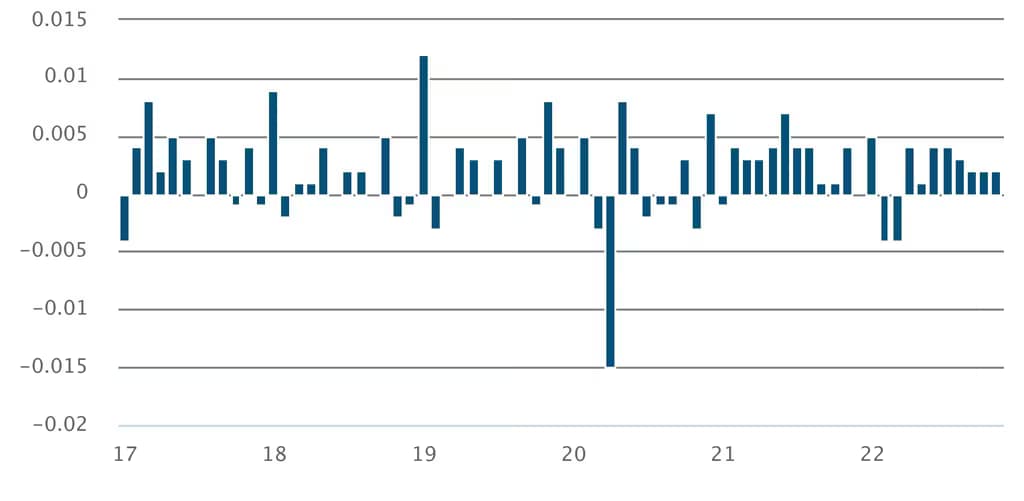
- The total number of filled jobs remained at 2.3 million in November 2022, up 2.2%pa from November 2021. On a seasonally adjusted basis, there was a 0.2% increase from October.
- Jobs filled by workers in their late 20s (25-29) are continuing to decline, down 3.2%pa compared to November 2021. This drop was the fifth consecutive month of declines of more than 3%pa in this cohort. In contrast, there was a 16%pa increase in jobs filled by workers aged 15-19, and a 5.7%pa increase in jobs filled by the over-65 cohort.
- The primary sector is still struggling to fill vacancies, with filled jobs down 4.5%pa. Annual growth was strongest in the service sector, up 2.5%pa.
- Jobs in the agriculture, forestry, and fishing industry were down 5.3%pa, the steepest monthly drop in the last two years. All other industries recorded positive annual growth in November. Construction jobs are up 2.5%pa from November 2021, the smallest annual increase since at least 2019.
- Earnings per filled job grew 7.6% in the year to November 2022, in line with a 7.2%pa increase in the consumers price index in September 2022.
Low but sustained jobs growth
...and our reaction
-
Job growth of 0.2% in November suggests that any spare additional capacity is being utilised as the labour market reaches its limit. This growth is being supported by a return to positive net quarterly migration in September 2022.
-
The fall in primary industry jobs was the steepest decline in the past two years, indicating that workers are not taking up jobs in primary industries. November was also the weakest month for construction jobs growth. Although construction work put in place levels remain elevated, businesses are becoming more cautious about hiring new workers in anticipation of softening demand.
-
Exacerbating labour shortages is the consistent loss of young workers. Jobs filled by the 20-29-year-old cohort have declined 2.3% from November 2021. Migration data indicates that New Zealand’s young workers are increasingly heading overseas, with the population of 20-29-year-olds falling for the tenth consecutive quarter in September.
-
With the Reserve Bank set to increase the OCR by a further 75 basis points next month, economic and employment growth will soften in New Zealand, and the unemployment rate is set to climb above 4% by the end of 2023.
Latest updates

Further weak employment recovery
0.1% Filled jobs rose in June 2026 (sa)0.6%pa Filled jobs were up from June 2025 1.5%pa South Island filled jobs incre from June 2025
Public sector leads job gains
0.3% Filled jobs in May (sa)0.1% Filled jobs in April (sa)0.7% Filled jobs from May 2025Healthcare leads job growth
0.2% Filled jobs in April (sa)0.5% Filled jobs from April 20255,527 Healthcare jobs over the year to AprilLet’s hear it for the South
0.3% Filled jobs in March (sa)0.2% Filled jobs in February (sa)1.5%pa South Island jobs in March