
Our take on the latest Employment indicators (Mon 28 Nov 2022)


Filled jobs steady in October
7.2% wage increase matching inflation
Jobs in agriculture down by 5.3%pa
The key numbers...
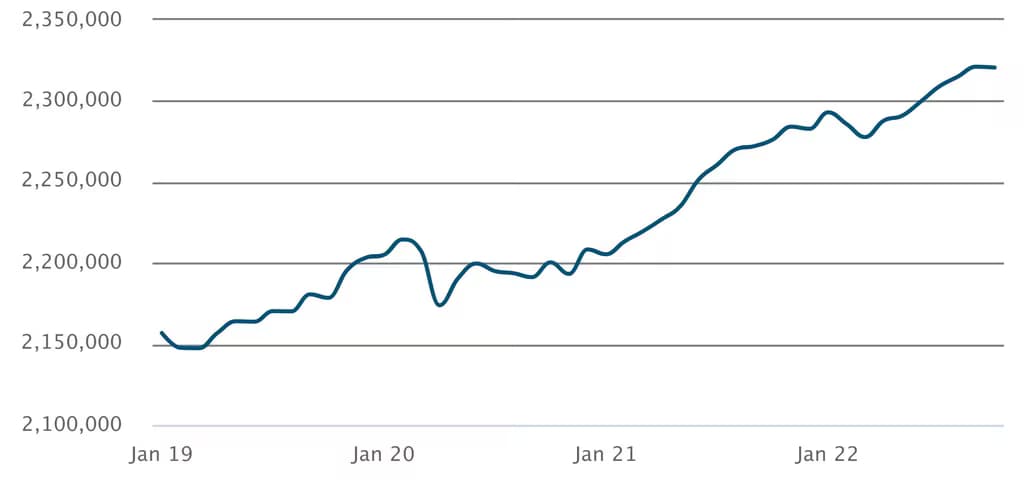
- There was no change in employment between September and October (seasonally adjusted), with the total number of filled jobs remaining at 2.3m.
- Composition of the working population is still changing. Jobs filled by 15-19-year-olds continue to rise, up 18% compared to October 2021. There has also been an increase in jobs filled by workers over 60, with a 4.5% increase since October 2021. Workers aged 25-29 are the fastest-shrinking cohort, with filled jobs down 3.4%. Jobs filled by the 55-59-year-old cohort have edged down just 0.1% from last October.
- The number of jobs in the service industry remained steady from September. Jobs in the primary sector were down 1.7% in the last month, the steepest monthly decline since November 2021. The goods-producing sector has seen the most growth, up 0.6% from September and 2.9%pa from October last year (all figures seasonally adjusted).
- Earnings per filled job were up 7.2%pa in the year to October, suggesting wage increases are broadly keeping pace with inflation, which was 7.2% in the September quarter.
- The fastest growing industry has been information media and telecommunications, with job numbers up 7.5% from October 2021. Jobs in the electricity, gas, water, and wastewater services are also up 5.9% from last year. The agriculture, forestry, and fishing industry has seen its largest decrease on record, down 5.3% from October 2021. Construction jobs are up 3.5% from last year, a modest increase when compared to growth over the previous two years.
Filled jobs flatten out
Monthly filled jobs, seasonally adjusted
...and our reaction
- No job growth in October indicates labour supply might have finally reached its limit. However, there remains some possibility of additional capacity to become available, as quarterly net migration was positive for the first time in two years in September.
- This is the fourth month of sustained declines in the primary sector, with a marked loss of jobs in the agricultural industry. Because migrant workers tend to fill jobs in more highly skilled industries, the net positive migration this quarter might not be easing labour shortages in our primary industries. The more moderate increase in construction jobs could be a symptom of growing unease about prospects in the residential market, even as current demand remains solid.
- As the sustained “brain drain” of 25-29-year-olds accelerates the aging of the population, we expect to continue to see growth in jobs filled by workers over 60. An aging working population may put further pressure on labour and skills shortages. Limited spare capacity in the labour market is expected to persist until weaker economic growth lifts the unemployment rate in 2024.
Latest updates
Premium

Employment indicators
Further weak employment recovery
Tue 28 Jul 2026
Monthly
 0.1% Filled jobs rose in June 2026 (sa)0.6%pa Filled jobs were up from June 2025
 1.5%pa South Island filled jobs incre from June 2025
Premium
Employment indicators
Public sector leads job gains
Mon 29 Jun 2026
Monthly
0.3% Filled jobs in May (sa)0.1% Filled jobs in April (sa)0.7% Filled jobs from May 2025Employment indicators
Healthcare leads job growth
Thu 28 May 2026
Monthly
0.2% Filled jobs in April (sa)0.5% Filled jobs from April 20255,527 Healthcare jobs over the year to AprilEmployment indicators
Let’s hear it for the South
Tue 28 Apr 2026
Monthly
0.3% Filled jobs in March (sa)0.2% Filled jobs in February (sa)1.5%pa South Island jobs in March