Non-residential building consents
Public sector weakness softens non-res consents
31 Aug 2022

Our take on the latest Non-residential building consents (Wed 31 Aug 2022)
Value of non-res consents
$691m


In July 2022
Public sector consents down 61% from a year ago
Year-end growth in Auckland solid, at 16%pa
The key numbers...
- The total value of non-residential consents in July was down 2.9% from last year, the first annual decline in six months. The result represents a drop of about 13%pa in activity once rising costs are taken into account.
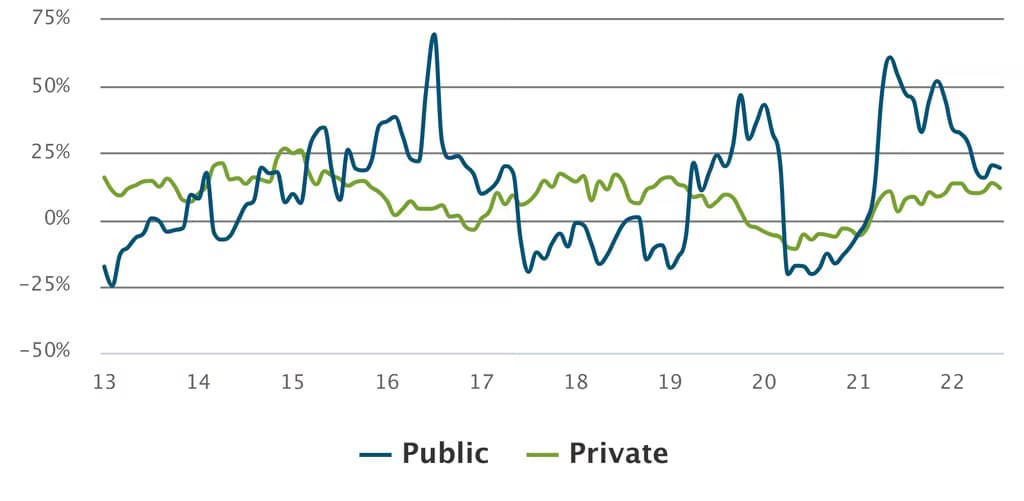
- Public sector consents were particularly weak in July, down 61% from a year ago, to their lowest level in real terms since April 2020. This softening follows a period of rapid growth over the previous two years, with the annual total of public sector consents increasing 86% between May 2020 and May 2022.
- The biggest declines by building type in July were for education buildings (down $64m from a year ago), hostels (down $59m), and hotels (down $33m). Auckland’s Waitematā local board recorded significant drops across all these building types, with Dunedin recording a decline in education building and Christchurch in hotel building. Mitigating the decline in hotel consents was a $30m consent for the fitout of the $150m Te Arikinui Pullman Auckland Airport Hotel.
- Totals for both office and hospital consents were up more than $70m from July 2021. A $73m consent as part of development work near Auckland Airport provided the biggest boost to offices, while a $76m consent at Mercy Hospital in Epsom and $25m of consents in Devonport-Takapuna were key drivers of the strength of hospitals.
- Amid all the ups and downs, Auckland’s consents were $41m (13%) higher than a year ago. Canterbury recorded a $31m (34%) decline, and Otago’s consent total dropped $25m (54%).
Rush of public sector money has slowed for now
Year-end % change in non-residential building consents by sector
...and our reaction
- Non-residential consents are currently in something of a holding pattern, with the public sector taking a breather after the rush of money over the last two years. However, with several major hospital and social building consents expected later this year, we expect to see renewed growth driven by public money in coming months.
- Growth in private sector consents continues to track at a similar rate to construction costs, indicating that there is little growth in consent volumes. Rising interest rates and costs are starting to undermine the viability of some proposed developments, and we expect to see more projects put on hold over the next 18 months as investment intentions weaken and economic conditions deteriorate.
- Nevertheless, sentiment around commercial construction remains less negative than for the residential sector. Fears of a drop-off in residential activity are mounting, but this downturn could free up some capacity for more activity in the non-residential and infrastructure space over the next few years.
Latest updates
Premium

Non-residential building consents
Warehouses prevent further non-res falls in June
Mon 3 Aug 2026
Monthly
$701m Value of non-res consents in June 2026
7.4% Total non-res consents from May 2026 (seas adj) 37%pa Warehouse consents from June 2025
Premium
Non-residential building consents
Non-res consents weaker still in May
Thu 2 Jul 2026
Monthly
$789m Value of non-res consents in May 2026
19% Monthly consents from May 202549% Public sector consents from May 2025Non-residential building consents
Non-res consents mostly softer in April
Wed 3 Jun 2026
Monthly
$655m Value of non-res consents in April 2026
15% Monthly consents from April 2025 Office and education consents at lowest monthly levels in 5-6 years
Non-residential building consents
Consents strong in March, but shadow of conflict looms
Fri 1 May 2026
Monthly
$862m Value of non-res consents in March 2026
15% Monthly consents from Mar 2025$119m Hostel consents from Mar 2025