
Our take on the latest Residential building consents (Wed 2 Mar 2022)



Monthly consents fall 6.3%pa in January
Excluding apartments, consents rose at a slowing rate of 4.9%pa
Momentum turning as constraints and expectations adjust
The key numbers...
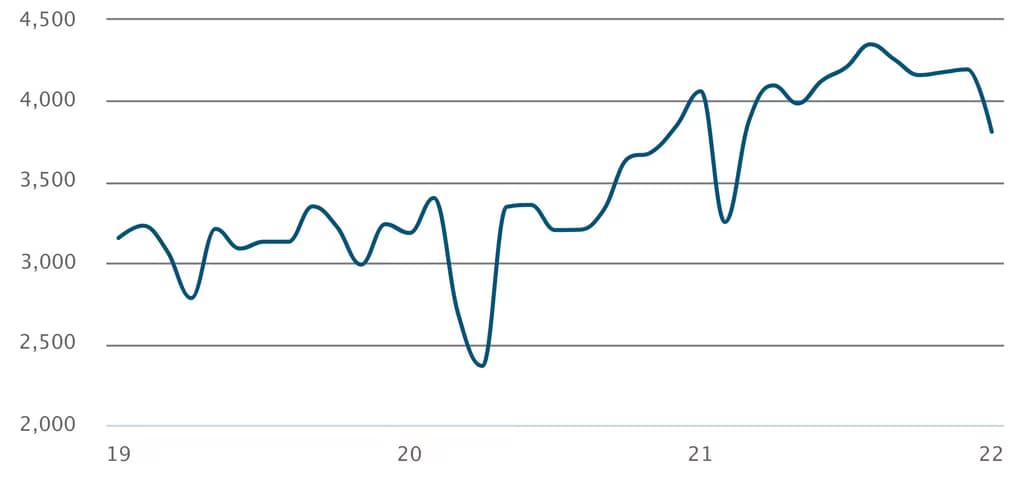
- Residential consents fell 6.3% in January from a year before, with 2,833 consents issued. The result was the first annual drop since February 2021, and the largest decline since the first Level 4 lockdown in 2020.
- Even so, the drop was primarily driven by apartment consents plunging 60% in January from a year ago. Auckland led the fall, down 74% from a massive 500 apartments in January 2021, to just 129 in January 2022. Those 500 consents in January last year was the second-largest month on record for Auckland, beaten only by 1,206 apartment consents in October 2002.
- Excluding apartments, consents rose a modest 4.9%, which still represents a considerable slowdown in growth. Standalone house consents fell 3.5%pa (the second consecutive month of annual declines), and townhouse growth slowed to 13%pa.
- Auckland consents overall fell 15%pa, with consents across the rest of the country edging up by 1.0%pa. Apart from Auckland, annual declines were recorded in nine other regions.
- January 2022’s consent result isn’t abysmal when compared with results prior to 2021, and it’s important to put the fall in context of incredibly strong consent numbers last year. Compared to January 2020, nationwide consents were still up by 10%.
Monthly consents
Seasonally adjusted figures
...and our reaction
- Momentum in the building sector seems to be turning as expected, with difficulties getting current work done and expectations about the future profitability of new projects likely to be weighing on decisions to lodge consents.
- Putting aside the decline in the lumpy apartment group, January’s result confirms our views that momentum in residential consents is waning, with house and townhouse consent numbers having softened since the September 2021 quarter.
- Higher building materials costs, capacity limitations in residential construction, and stretching lead times for work to be completed appear to be stalling further growth in consents. In addition, the slowing housing market and rising interest rates mean that projects might not be able to be sold for as much as first thought, with potential delays and cost overruns creating significant risks for developers.
- Although annual consent numbers might continue to push higher over the next few months, these factors look set to contribute to a moderation in consents during 2022, possibly earlier than we had previously thought. However, the pipeline of work remains firm, with high consenting levels yet to translate fully into building work, meaning actual construction activity will peak later than consents and is unlikely to fall away as quickly.
Latest updates
Premium

Residential building consents
Residential consents fall 3.6% in June
Mon 3 Aug 2026
Monthly
40,581 Annual consents over the June 2026 year
 19% June 2026 consents over the June 2026 year3.6% June 2026 consents from May on a seas. adj. basis
Premium
Residential building consents
Residential consents fall 4.0% in May
Thu 2 Jul 2026
Monthly
 39,737 Annual consents over May 2026 year4.0% May 2026 consents from April on a seas. adj. basis22%pa Townhouse consents over May 2026 year
Residential building consents
Residential consents jump up 11% in April
Wed 3 Jun 2026
Monthly
39,087 Annual consents over April 2026 year11% April 2026 consents from March on a seas. adj. basis19%pa Multi-unit consents over April 2026 yearResidential building consents
Residential consent momentum trends sideways
Fri 1 May 2026
Monthly
37,813 Annual consents over March 2026 year 3,300pm Consents trend sideways on a seas. adj. basis14%pa Townhouse consents over March 2026 year